EN
LA
Climate change is a global phenomenon that poses significant threats to ecosystems, communities, and economies worldwide. Laos, a landlocked country in Southeast Asia, is no exception.
Laos, known for its rich biodiversity, is witnessing an increasing threat to its diverse ecosystems, including forests, wetlands, mountains, and rivers, due to climate change.
Rising temperatures, changing rainfall patterns, and extreme weather events are disrupting the balance of these ecosystems, leading to loss of biodiversity, habitat degradation, and increased vulnerability to invasive species and diseases.
For example, climate change is altering the flow patterns of the Mekong River, a lifeline for many communities in Laos. This is affecting the aquatic ecosystems and the species that depend on them. Similarly, the country's forests, which are home to numerous plant and animal species, are facing increased risks from wildfires and pests due to warmer and drier conditions.
The impacts of climate change on ecosystems have direct and indirect effects on the communities that depend on them. Many people in Laos rely on natural resources for their livelihoods, including farming, fishing, and collecting non-timber forest products. Changes in ecosystems can therefore have severe consequences for these communities.
For example, changes in the Mekong River's flow patterns can affect fish populations and hence the livelihoods of fishing communities. Similarly, farmers can face reduced crop yields due to changing rainfall patterns and increased pests and diseases. Moreover, extreme weather events such as floods and droughts can lead to loss of lives and property, displacement of people, and increased health risks.
The economy of Laos is heavily dependent on natural resources and agriculture, which are vulnerable to climate change. Changes in ecosystems and the impacts on communities can therefore have significant economic implications.
Reduced crop yields can lead to loss of income for farmers and increased food prices. Changes in fish populations can affect the income of fishing communities and the supply of fish for consumption and export. Forest degradation can affect the supply of non-timber forest products, which are important for both local use and export.
Moreover, extreme weather events can cause significant economic damage and require substantial resources for recovery and reconstruction. They can also deter investment and tourism, which are important for the country's economic development.
Climate change poses significant threats to the ecosystems, communities, and economy of Laos. It is therefore crucial to take action to mitigate these impacts and adapt to the changing conditions. Ecosystem-based adaptation (EbA) can play a key role in this regard, by promoting the sustainable use and conservation of ecosystems to enhance their resilience to climate change and support the livelihoods of communities.

Climate change poses a significant threat to various regions and sectors across the globe. In Laos, a landlocked country in Southeast Asia, certain areas and sectors are particularly vulnerable to the impacts of climate change.
The geographical diversity of Laos, with its mountainous terrain and river valleys, makes it vulnerable to different climate change impacts. The low-lying areas, particularly those along the Mekong River, are prone to flooding. These areas are often densely populated and are vital for agriculture, making them highly impacted by increased rainfall and changing weather patterns. On the other hand, regions with less rainfall are vulnerable to drought. These areas, often located in the highlands, face water scarcity which can lead to crop failure and food insecurity.
The sectors most at risk from climate change in Laos are agriculture, fisheries, and forestry. Agriculture is a critical sector in Laos, employing a significant portion of the population. Changes in temperature and rainfall patterns can lead to reduced crop yields and increased pest and disease outbreaks. Fisheries, particularly inland fisheries in the Mekong River, are also at risk. Changes in water temperature and flow can affect fish migration and reproduction, impacting the livelihoods of those dependent on the sector. The forestry sector, vital for the country's economy and biodiversity, is threatened by increased incidences of forest fires and pests due to climate change.
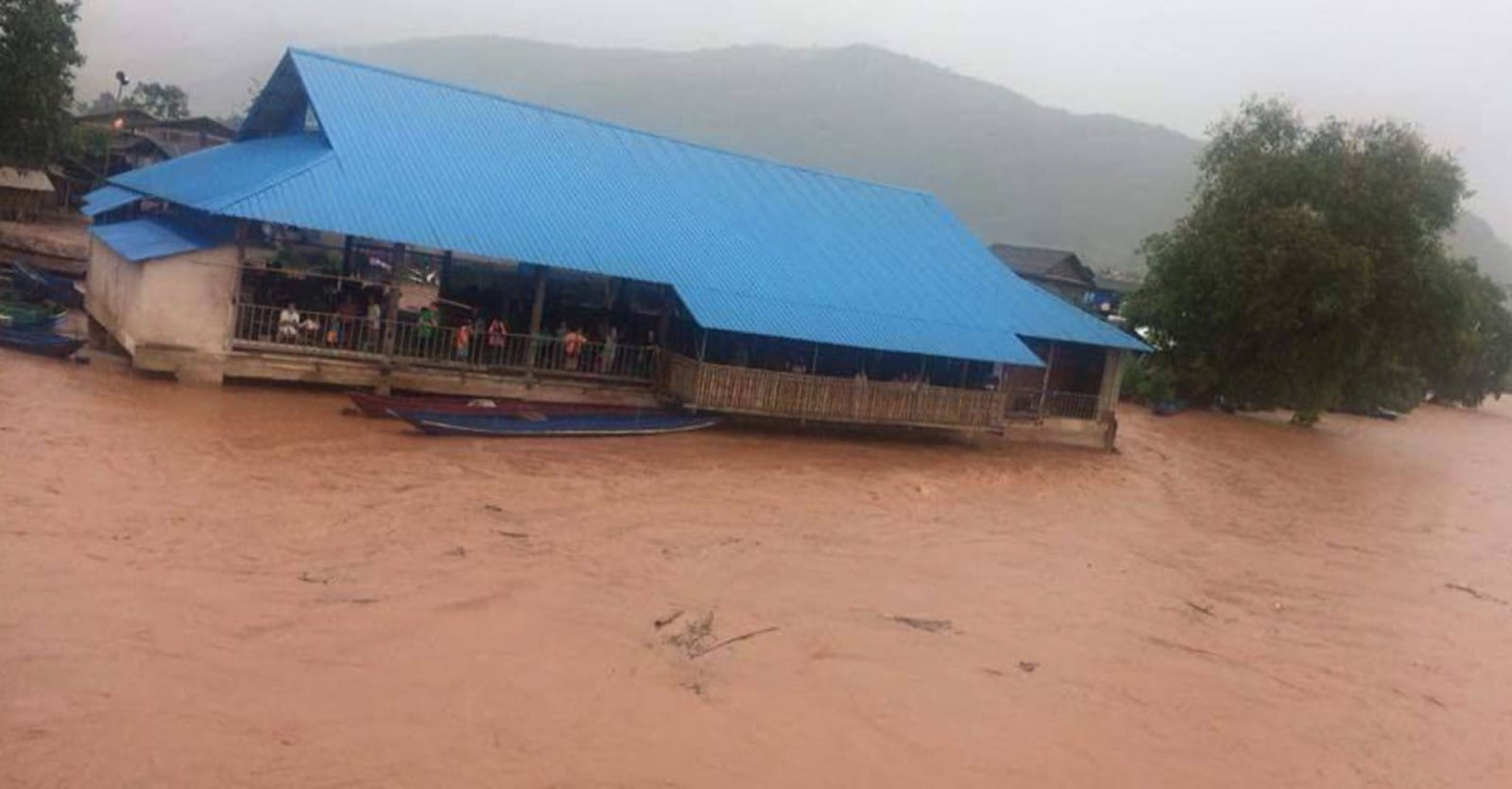
Several case studies highlight the specific vulnerabilities of these areas and sectors. For instance, the 2018 floods in the low-lying areas of Attapeu province demonstrated the devastating impact of extreme weather events, exacerbated by climate change. Similarly, the prolonged drought in 2019 severely affected the agricultural and forestry sectors in the highland regions.
Looking towards the future, these vulnerabilities are likely to intensify due to climate change. Increased frequency and intensity of floods and droughts could further threaten the low-lying and drought-prone areas. The agriculture, fisheries, and forestry sectors may face increased challenges due to changing climatic conditions. Therefore, it is crucial to implement adaptive strategies and build resilience in these vulnerable areas and sectors to mitigate the impacts of climate change.
Understanding the vulnerabilities of different areas and sectors in Laos to climate change is crucial for planning and implementing effective adaptation strategies. By focusing on these vulnerable areas and sectors, Laos can better prepare for and respond to the challenges posed by climate change.

Laos is particularly vulnerable to the impacts of climate change due to its geographical location and socio-economic conditions. The country is already experiencing increased frequency and intensity of extreme weather events, such as heavy rainfall, droughts, and heatwaves. These events are projected to become even more severe and frequent in the future due to climate change.
Rising temperatures are another major concern for Laos. The country's largely agrarian economy is heavily dependent on natural resources and climate-sensitive sectors such as agriculture, forestry, and fisheries. Increased temperatures can lead to decreased agricultural productivity, affecting food security and livelihoods of the rural population.
While Laos is a landlocked country and does not face the direct threat of sea level rise, it is not immune to the indirect impacts. Changes in sea levels can affect the monsoon patterns and river flows, leading to altered water availability and quality, impacting agriculture, hydropower, and water supply.
These climate-related risks translate into significant vulnerabilities for the people, ecosystems, and economy of Laos. The rural population, who are heavily dependent on natural resources for their livelihoods, are particularly vulnerable. Changes in climate patterns can lead to decreased agricultural productivity, affecting food security and income. Ecosystems, too, are at risk, with potential loss of biodiversity and degradation of forests and other natural habitats.
Scientific data and research support these findings. Studies show that without effective adaptation and mitigation strategies, these risks and vulnerabilities will only increase in the future.
Therefore, there is an urgent need for effective climate change adaptation and mitigation strategies in Laos. These strategies should aim to reduce the vulnerability of the population and the economy to climate change impacts, enhance the resilience of natural ecosystems, and promote sustainable development.
While the risks and vulnerabilities associated with climate change are significant, with effective planning and action, Laos can navigate these challenges and build a resilient future.