EN
LA
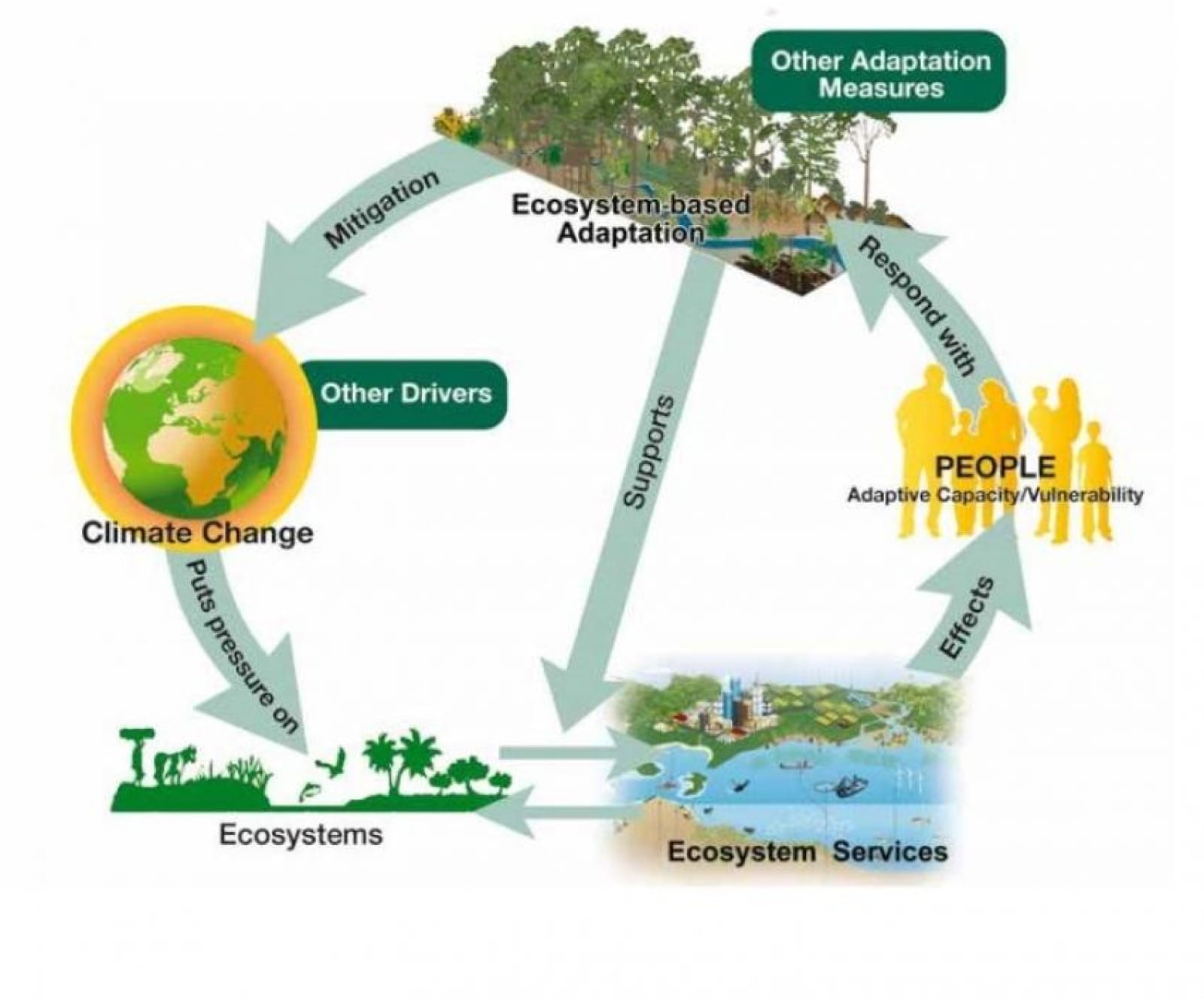
Ecosystem-based Adaptation (EbA) is a strategic approach that uses biodiversity and ecosystem services to help people adapt to the adverse effects of climate change. It is a nature-based solution that integrates the use of biodiversity and ecosystem services into an overall adaptation strategy. EbA is based on principles of sustainable management, conservation, and restoration of ecosystems. These principles help to provide services that assist people in adapting to both current climate variability and changes.
The concept of EbA has evolved over the years and was initially developed as a response to the growing recognition of the impacts of climate change on biodiversity and ecosystems. Over time, the focus of EbA has expanded to include not only the protection of biodiversity but also the provision of ecosystem services that are essential for human well-being. This shift in focus has led to the integration of EbA into broader climate change adaptation strategies.
The key components of EbA include biodiversity conservation, sustainable land management, and ecosystem restoration. Biodiversity conservation is crucial as it enhances ecosystem resilience and increases the range of services that ecosystems can provide. Sustainable land management practices help maintain the health of the land and its ability to provide essential services such as food and water. Ecosystem restoration, on the other hand, involves the rehabilitation of degraded ecosystems, which can improve their capacity to adapt to climate change and provide essential services.
The process of implementing EbA can be described as a series of steps:
EbA is not just about protecting nature, but also about harnessing its potential to help people adapt to climate change. It recognizes the link between biodiversity, ecosystems, and human well-being, and seeks to strengthen this link as a means of adaptation. By doing so, EbA not only contributes to the conservation of biodiversity and the provision of ecosystem services but also to the achievement of sustainable development goals. It is a holistic approach that addresses the root causes of vulnerability to climate change and provides long-term, sustainable solutions.

Ecosystem-based Adaptation (EbA) is a strategic approach that harnesses the power of nature to help communities adapt to the adverse effects of climate change. It is a holistic method that integrates biodiversity and ecosystem services into an overall adaptation strategy, providing long-term, sustainable solutions. This section introduces the importance of EbA, highlighting its role in climate change mitigation, biodiversity conservation, socio-economic benefits, and policy relevance.



Ecosystem-based Adaptation (EbA) in Laos is a dynamic and evolving field, with a range of challenges and opportunities that are unique to the country's socio-economic and environmental context.
The current state of EbA in Laos is characterized by a growing recognition of its potential to address climate change impacts while also contributing to sustainable development goals.
However, there are key challenges to its implementation. These include the need for capacity building and awareness raising among local communities and government agencies.
Despite the existence of several successful EbA projects, there is still a lack of understanding about the principles and benefits of EbA, which can hinder its mainstreaming into policy and practice. On the other hand, the rich biodiversity and traditional knowledge of local communities in Laos present significant opportunities for the implementation of EbA.
Several case studies from Laos illustrate the potential of EbA to deliver multiple benefits. For instance, a project in the northern province of Luang Prabang focused on the restoration of degraded forest ecosystems and the promotion of sustainable land management practices. This project not only helped to enhance the resilience of local communities to climate change impacts, but also improved livelihoods through the provision of non-timber forest products and ecotourism opportunities. Another project in the southern province of Champasak involved the conservation of wetland ecosystems, which provided important services such as flood regulation and fish production.
Looking ahead, there is considerable potential for the expansion of EbA in Laos. Key areas for intervention include the integration of EbA into land use planning and decision-making processes, the promotion of community-based EbA initiatives, and the strengthening of institutional capacities for EbA implementation. Furthermore, there is a need for more research and knowledge sharing on EbA, particularly in relation to its cost-effectiveness and co-benefits compared to other adaptation approaches.
Stakeholder involvement is crucial for the success of EbA in Laos. Local communities, as the primary beneficiaries of ecosystems and biodiversity, have a central role to play in EbA initiatives. Government agencies can provide the necessary policy and institutional support for EbA. Other stakeholders, such as non-governmental organizations, research institutions, and the private sector, can also contribute to EbA in various ways, from providing technical expertise and funding, to facilitating partnerships and networks for EbA.
In conclusion, EbA in Laos is a promising approach to climate change adaptation that can deliver multiple benefits for people and nature. However, its successful implementation requires a concerted effort from all stakeholders, as well as a supportive policy and institutional environment.